

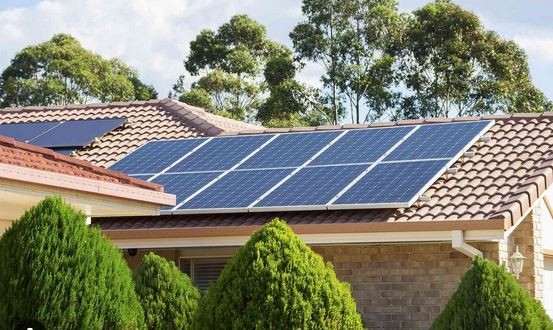
As Kenya continues to embrace renewable energy, solar installation solutions have become increasingly popular among homeowners, business owners, and entrepreneurs. However, choosing the right solar system requires understanding the available options and aligning them with your specific needs. This guide explores the best solar solutions in Kenya and offers insights to help you make an informed decision.
Types of Solar Systems in Kenya
In Kenya, three main types of solar systems are commonly available:
- Grid-Tied Solar Systems: These systems are connected to the main electricity grid and rely on solar energy during the day while drawing power from the grid at night or when solar production is low.
- Off-Grid Solar Systems: Designed for total energy independence, these systems are ideal for locations without access to the national grid. They include solar panels, batteries, and an inverter to provide continuous power.
- Hybrid Solar Systems: A combination of grid-tied and off-grid systems, hybrids offer the flexibility of drawing energy from both solar panels and the grid, with battery storage for backup.
 Factors Influencing the right solar solution System include:
- Energy Consumption Needs
Assess your daily and monthly energy usage to determine the size and capacity of the system required. Businesses with high energy demands may need larger solar systems compared to residential setups.
- Budget
Solar systems vary in cost based on their type, size, and features. While grid-tied systems are generally more affordable, off-grid and hybrid systems may require a higher upfront investment but offer long-term savings.
- Lifestyle and Usage Patterns
Homes with irregular energy use may benefit from hybrid systems for consistent power. Off-grid solutions are perfect for those looking to live sustainably and independently from the grid.
- Location
Remote areas without grid access are best suited for off-grid systems. Locations with frequent power outages might consider hybrid systems for reliability.
Grid-Tied Solar Systems
Benefits: Affordable upfront costs compared to other systems. Ideal for urban and suburban areas with reliable grid connections. Lower electricity bills as solar energy reduces grid dependency.
Drawbacks: Dependence on the grid means no power during outages unless combined with a backup system.
Best For: Homeowners and businesses with access to the national grid and a consistent electricity supply.
 Off-Grid Solar Systems
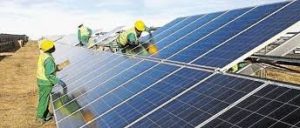
Benefits: Complete energy independence, making them ideal for remote locations. No reliance on utility companies, ensuring a consistent power supply.
Drawbacks: Higher upfront costs due to battery storage. Requires proper maintenance and monitoring of the battery system.
Best For: Rural areas without access to the national grid or areas with frequent outages.
Hybrid Solar Systems
Benefits: Combines the advantages of grid-tied and off-grid systems. Provides power backup during outages while reducing grid dependence. Optimizes energy usage by storing excess solar power for later use.
Drawbacks: Higher initial costs due to the need for batteries and advanced inverters. More complex installation and maintenance requirements.
Best For: Homeowners and businesses seeking reliability and flexibility in energy use.
PS:
Selecting the best solar solution in Kenya depends on your unique energy needs, budget, and location. Whether you choose a grid-tied, off-grid, or hybrid system, each option has its benefits and challenges. To ensure you make the right choice, consult a qualified solar professional who can assess your needs and recommend the most suitable solution.
Investing in solar energy not only reduces electricity bills but also contributes to a sustainable future. Start your solar journey today by contacting Biosys Kenya team and enjoy the benefits of clean,
